
A specialist's guide from Dr. AQR, Jumeirah, Dubai
Quick Answer
Persistent jaw pain, clicking, or headaches can be caused by malocclusion — a bad bite that forces your jaw joint (TMJ) and surrounding muscles to overcompensate. Correcting the underlying bite with braces, aligners, or a splint often relieves TMJ symptoms at the source rather than just managing them.
What Is Malocclusion?
Malocclusion means a “bad bite.” Ideally, upper and lower teeth and molars fit together correctly. When this is off—due to overbite, underbite, crossbite, open bite, crowding, or spacing—it creates strain on the jaw.
What Is the TMJ, and Why Does It Matter?
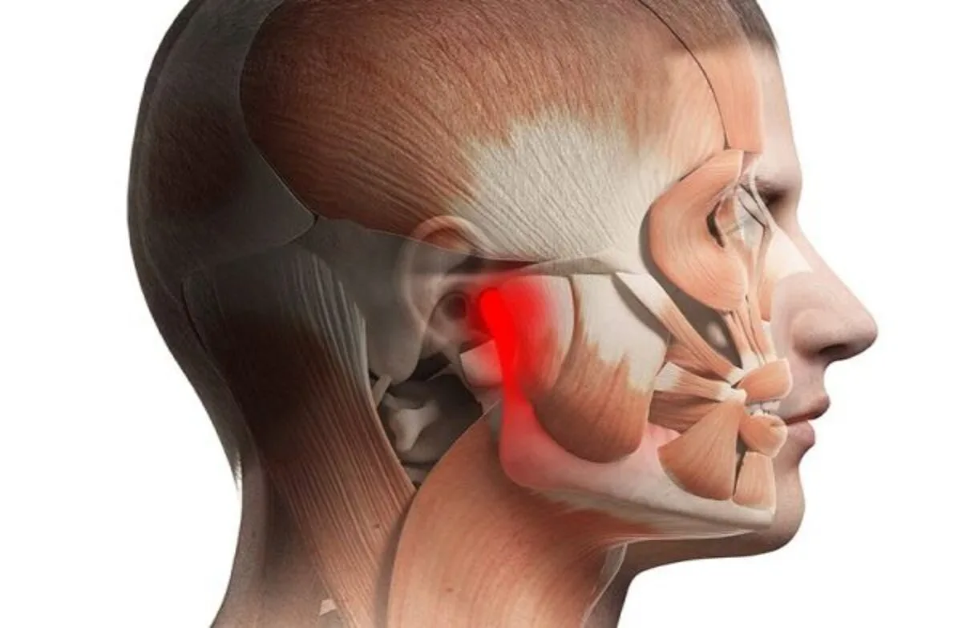
The temporomandibular joint (TMJ) is a sliding-hinge connection linking your lower jaw to your skull, enabling chewing, swallowing, speaking, and facial expression. An articular disc cushions the joint, and muscles including the masseter, temporalis, and pterygoids coordinate its movement. A misaligned bite forces the TMJ and these muscles to overcompensate.
How Malocclusion Creates TMJ Strain
- Uneven bite pressure overloads one side of the joint
- Jaw muscles work harder to compensate, leading to fatigue and pain in the jaw, ear, neck, and temples
- Persistent uneven forces can displace the joint’s cushioning disc, causing clicking or popping
- Ongoing strain can inflame joint tissue and accelerate degenerative wear
TMJ Disorder Symptoms Linked to Malocclusion
- Jaw pain or tenderness, sometimes radiating to the ear, neck, or temple
- Clicking, popping, or grinding sounds during jaw movement
- Difficulty chewing, speaking, or yawning
- Limited jaw movement or locking
- Headaches or ear discomfort without an ear infection
- Tooth wear from grinding or clenching
Treatment: Addressing the Root Cause
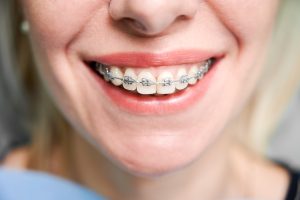
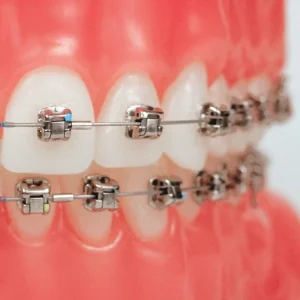
- Braces (traditional & ceramic)—gradually reposition teeth to harmonize the bite
- Clear aligners—precise, discreet correction, equally effective when properly prescribed [Internal Link: Who Can Get Clear Aligners?]
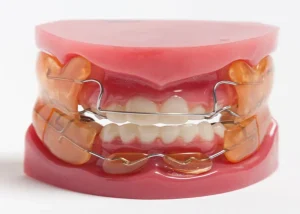
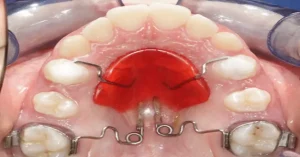
- Orthopedic appliances (splints/night guards)—immediate relief by stabilizing the jaw and reducing grinding
- Adjunctive therapies—physical therapy, stress management, or medication alongside orthodontic correction
Why Early Intervention Matters
- Prevents acute TMJ damage from prolonged joint strain
- Simplifies treatment, especially in growing individuals
- Supports balanced jaw development and long-term comfort
- Reduces overall treatment complexity and cost
Final Thoughts
Persistent jaw pain, clicking, or headaches may be more than a passing issue—they can signal an underlying bite problem. Book a consultation with Dr. AQR at AQR Orthodontics, Jumeirah, Dubai.
About the Author
Dr. AQR is a specialist orthodontist and founder of AQR Orthodontics, Jumeirah, Dubai. [Credentials pending]
Why does my jaw click when I open my mouth?
Clicking often indicates the TMJ’s cushioning disc has shifted slightly out of position, frequently linked to uneven bite pressure from malocclusion.
Can fixing my bite actually relieve jaw pain?
Yes—correcting the underlying malocclusion with braces or aligners addresses the root cause of uneven jaw strain, rather than just managing symptoms.
Is a night guard enough, or do I need orthodontic treatment?
A night guard can provide immediate symptom relief, but if malocclusion is the underlying cause, orthodontic correction addresses the source rather than just the symptoms.