
A specialist's guide from Dr. AQR, Jumeirah, Dubai
Quick Answer
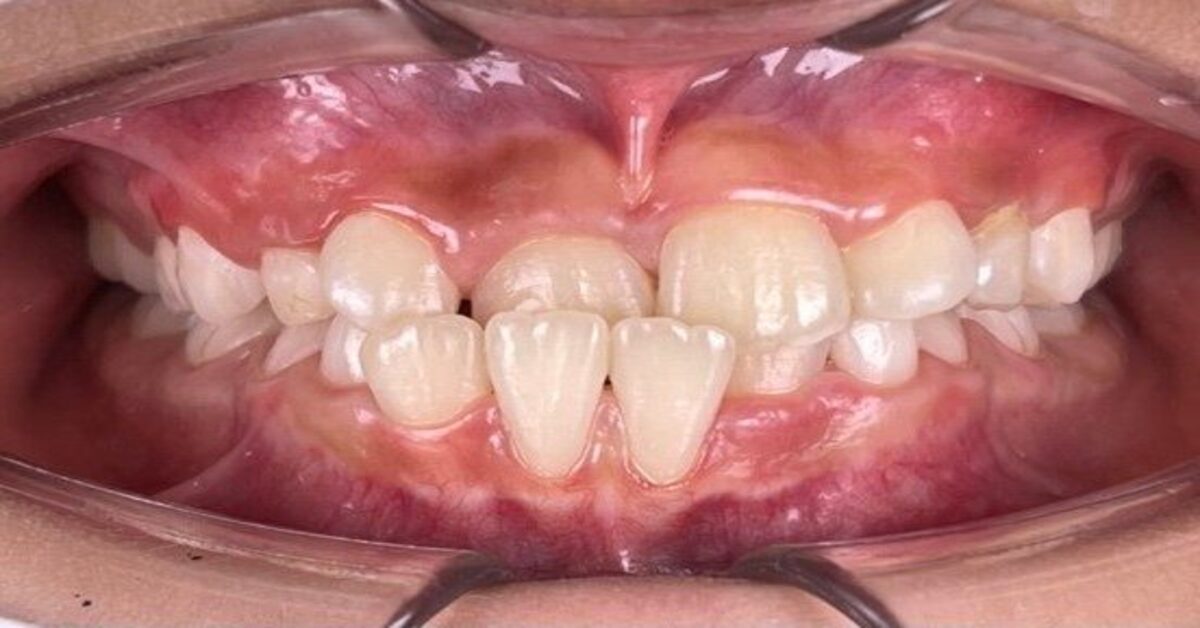
An underbite (Class III malocclusion) is when the lower jaw protrudes past the upper jaw, causing the lower front teeth to sit in front of the upper front teeth. It affects an estimated 5–10% of people. Early detection between ages 6–10 allows non-surgical correction; severe adult cases may require orthognathic surgery.
What Is an Underbite?
Also known as a Class III malocclusion or prognathism, an underbite occurs when the lower jaw (mandible) protrudes past the upper jaw (maxilla). It’s not purely cosmetic — it often signals an underlying skeletal imbalance between the two jaws.
What Causes an Underbite?
- Genetic factors — the most common cause, via family history of jaw misalignment
- Jaw size discrepancy — the lower jaw growing larger or more forward than the upper jaw
- Childhood oral habits — prolonged thumb-sucking, tongue-thrusting, pacifier use, or bottle-feeding past age 3
- Dental misalignments — early tooth loss, crowding, or oversized lower teeth
- Trauma or tumors affecting jaw growth patterns
Early Signs of a Developing Underbite
- Lower teeth overlapping upper teeth when the mouth is closed
- Difficulty biting or chewing, frequent mouth breathing
- Speech irregularities, especially with “s,” “z,” and “f” sounds
- Visible chin protrusion or concave facial profile
- Jaw pain, clicking, or TMJ discomfort
Detecting an underbite early — typically between ages 6 and 10 — significantly improves treatment outcomes and allows less invasive methods.
Effects of an Untreated Underbite
- Uneven tooth wear, enamel erosion, chipping, and cracking
- Higher risk of cavities and gum disease
- Problems biting, chewing, and speaking
- TMJ disorders, headaches, and chronic jaw pain
- Facial asymmetry and self-esteem impact
Underbite Treatment Options
Early Preventive & Growth Modification (ages 7–10)
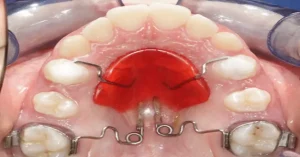
- Palatal expanders, reverse-pull headgear (facemask), or chin cups to redirect jaw growth
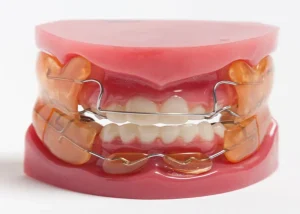
Functional Appliances
- Twin blocks, Frankel appliances — often paired with braces
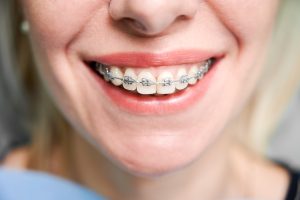
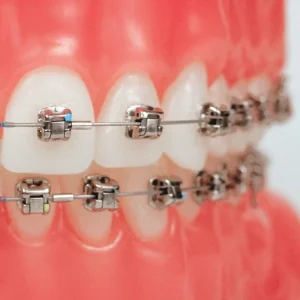
Braces / Clear Aligners (Dental Correction)
- Elastics-supported braces for dental-origin underbites
- Clear aligners for mild-to-moderate cases (“camouflage correction”)
- TADs for more complex tooth movement
Orthodontic + Surgical (Orthognathic) Approach
- Single-jaw surgery: mandibular setback (BSSO) or maxillary advancement (Le Fort I)
- Double-jaw surgery for complex skeletal imbalance,
Final Thoughts
Underbites are complex but highly treatable, especially with early detection.
About the Author
Dr. AQR is a specialist orthodontist and founder of AQR Orthodontics, Jumeirah, Dubai.
FAQ’s
Can an underbite be fixed without surgery?
Mild to moderate underbites, especially when caught early, are often treatable with growth appliances, braces, or aligners without surgery.
At what age should an underbite be evaluated?
Ideally between ages 6 and 10, when jaw growth can still be guided non-surgically.
Does an underbite always require jaw surgery?
No—surgery is generally reserved for severe, skeletal-origin cases not caught early or not responsive to non-surgical treatment