
From AQR Orthodontics, Jumeirah, Dubai
Quick Answer
Damon braces are the most widely used self-ligating brace system, using a built-in sliding clip instead of elastic ties to hold the archwire. This reduces friction, often meaning fewer adjustment visits and a more comfortable experience, with both metal and clear (Damon Clear) options available.
What Are Damon Braces?
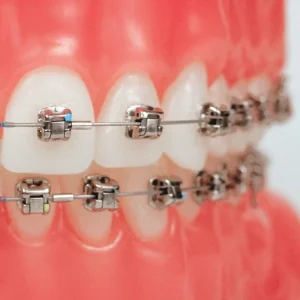
- Self-ligating bracket system—each Damon bracket has a built-in sliding door that clamps the archwire, eliminating elastic or metal ligatures
- Reduced friction, lighter forces—the wire moves more freely, allowing gentler tooth movement
- Fewer adjustments needed—without elastic ties to loosen or trap food, visits are typically spaced further apart
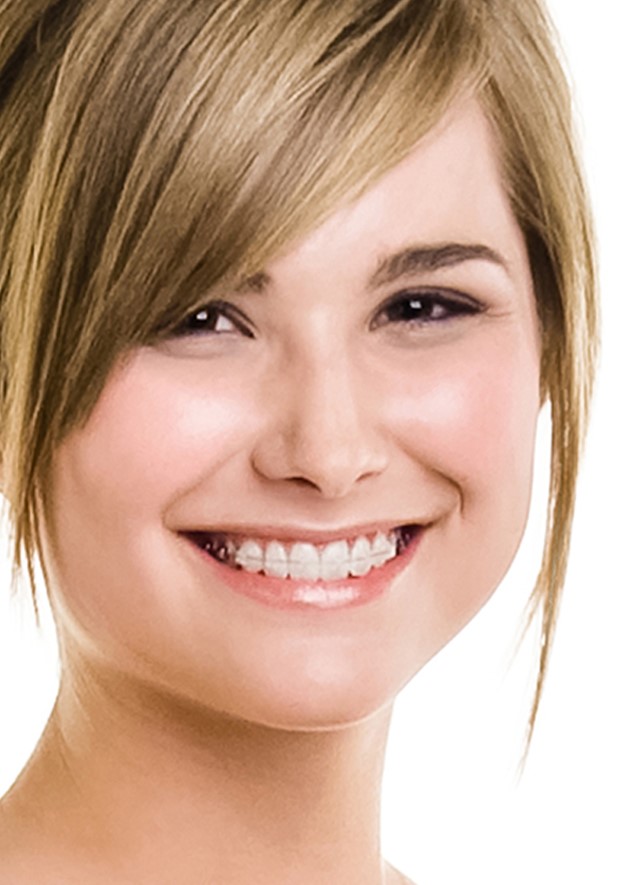
- Metal and clear options—Damon Clear brackets offer a more discreet appearance
- Broad case applicability—used for kids, teens, and adult cases, from moderate to many complex alignments
- Easier hygiene—without elastics trapping debris or plaque, cleaning is generally simpler
Damon vs. Traditional Braces
- Mechanism—Damon uses a sliding clip built into each bracket; traditional braces use elastic or wire ties
- Force and friction—Damon applies lower friction with lighter, continuous force; traditional braces involve higher friction and periodic heavy tightening
- Comfort—Damon is often associated with fewer sore days; traditional braces can involve more discomfort after tightening
- Aesthetic options—Damon offers metal and Damon Clear; traditional braces use metal with elastic ties, or ceramic versions that still use ties
- Cleaning—Damon’s lack of elastics means fewer food traps; traditional elastic ties can trap food and plaque
- Adjustment frequency—Damon typically allows longer intervals between visits; traditional braces often need more frequent visits
- Cost—Damon typically has a higher upfront cost; traditional braces have a lower base cost but possibly more visits over time [Internal Link: Damon Braces Cost, Appearance & Results]
Why Patients Choose Damon
- Often more reliable, predictable treatment timelines for suitable cases, though exact reductions vary by case [verify any specific percentage claims before publishing]
- Fewer orthodontist visits, since appointments are spaced further apart—useful for busy families or professionals
- Generally reduced discomfort and pressure compared to traditional elastic-tie systems
- Improved hygiene potential, since there are fewer places for plaque to accumulate
- Damon Clear offers aesthetic flexibility competitive with clear aligners, while remaining fixed for reliability in more complex cases
Is Damon Right for You?
- Cleaner, sleeker profile—Damon brackets are typically smaller and less bulky
- Fewer noticeable discomfort days compared to elastic-tightening systems
- Discreet options for style-conscious teens and professionals via Damon Clear
- Fits busy schedules and travel, thanks to fewer required visits
Final Thoughts
Damon braces offer a modern, often more comfortable path to a straighter smile. Book a consultation with Dr. AQR at AQR Orthodontics, Jumeirah, Dubai.
About the Author
Dr. AQR is a specialist orthodontist and founder of AQR Orthodontics, Jumeirah, Dubai.
FAQ’s
Are Damon braces better than traditional braces?
In many cases, yes—Damon reduces friction, often needs fewer visits, and can offer a more predictable timeline compared to traditional braces, though results depend on your specific case.
Are Damon braces more comfortable?
Generally, yes—many patients report less soreness and fewer mouth ulcers than with traditional elastic-tie systems, though some adjustment discomfort is still expected initially.
Can Damon braces work for both kids and adults?
Yes—Damon is used across kids, teens, and adult cases, with treatment tailored to each patient’s needs.