A specialist's guide from AQR Orthodontics, Jumeirah, Dubai
Quick Answer
Watch for difficulty chewing, thumb-sucking past age 4–5, crowded or overlapping teeth, mouth breathing, speech difficulties, jaw clicking or pain, and early or late loss of baby teeth. Any of these are worth a specialist evaluation, even if the issue seems minor.
Why It’s Worth Watching for Signs at Any Time of Year
Some signs—like a slight lisp or trouble chewing certain foods—become more noticeable in everyday moments like mealtimes or conversations. Recognizing them early allows Dr. AQR to evaluate your child before issues become more complex to treat.
7 Early Signs to Watch For
- Difficulty chewing or biting—avoiding certain foods or chewing awkwardly may indicate a misaligned bite
- Thumb-sucking or prolonged pacifier use beyond age 4–5 can push front teeth forward or narrow the upper jaw
- Crowded or overlapping teeth—makes cleaning harder and increases cavity risk
- Mouth breathing, especially during sleep—may signal airway concerns or a narrow palate
- Speech difficulties—misalignment can affect sounds like “s” or “th”
- Jaw clicking or pain, especially in the morning—may suggest a misaligned bite or jaw imbalance
- Early or late baby tooth loss—can disrupt proper alignment of permanent teeth
What Happens at an Early Evaluation
- A welcoming, low-pressure environment for both parent and child
- Digital scanning tools for a fast, comfortable assessment
- A review of jaw growth, tooth emergence, and alignment
- A tailored recommendation: either observation with scheduled reviews or early interceptive treatment if needed
Why Early Detection Matters
Research supports early intervention for certain bite and jaw issues in children aged 7–11, generally showing improvements in dental alignment and jaw relationships compared with delaying treatment. In practical terms, early evaluation can mean simpler treatment, better guided growth, and clearer planning as permanent teeth come in.
Final Thoughts
If you’ve noticed any of these signs in your child—or just want reassurance—an early evaluation offers clarity. Book an appointment with Dr. AQR at AQR Orthodontics, Jumeirah, Dubai.
About the Author
Dr. AQR is a specialist orthodontist and founder of AQR Orthodontics, Jumeirah, Dubai. [Credentials pending]
FAQ’s
The signs I’ve noticed aren’t dramatic—should I still bring my child in?
Yes—some issues are only clear under a professional evaluation, even when signs at home seem subtle.
Can early intervention really reduce the need for future treatment?
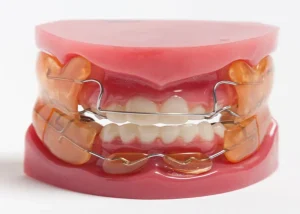
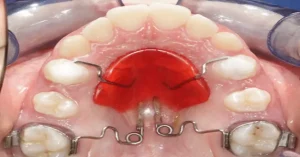
Early identification allows for simple, guided interventions—like space maintainers or gentle appliances—that can often simplify and shorten future care.
What if the sign is just related to speech or chewing habits, not appearance?
Functional concerns like speech issues or chewing difficulty often stem from dental alignment too—early orthodontic input can improve both function and appearance.