

A guide for parents from Dr. AQR , Jumeirah, Dubai
Quick Answer
Early orthodontic evaluation, typically between ages 7 and 10, allows Dr. AQR to guide jaw growth, prevent severe crowding, and catch bite problems while a child’s bones are still flexible often reducing the need for more extensive treatment later.
Why Ages 7–10 Matter Biologically
During this window, a child’s jaw and facial bones are still growing and malleable, allowing Dr. AQR to guide development rather than correct it later.
- Guiding jaw growth, managing overbite, underbite, and crossbite while bones are still flexible.
- Preventing severe crowding, creating space for incoming adult teeth, reducing future extractions
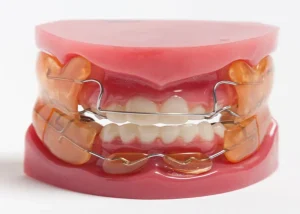
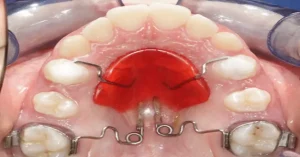
- Breaking harmful habits, thumb-sucking, tongue-thrusting, or prolonged pacifier use with habit-breaking appliances
- Correcting growth patterns, minimizing facial asymmetry and disproportionate jaw development
Waiting until adolescence can mean missed opportunities for simpler corrections, potentially requiring longer treatment or, in some cases, jaw surgery in adulthood.
The Psychosocial Benefits
- Improving aesthetics early helps children feel confident in social settings
- Supporting speech development and proper alignment supports clearer articulation
- Reducing bullying risk by addressing visible dental issues early
- Building positive dental habits comfortable early experiences shape lifelong oral hygiene attitudes
Notice any of these signs in your child? Book an evaluation.
The Financial and Practical Case for Early Treatment
- Preventive value—smaller issues are cheaper and faster to treat early
- Two-phase advantage—an early phase followed by a shorter adolescent refinement phase
- Fewer complications—reduced risk of impaction, abnormal wear, or damage to permanent teeth
- Faster response—younger children’s bodies typically respond more quickly to appliances
- Avoiding surgery—early jaw correction can reduce the likelihood of invasive procedures later
Red Flags: When Early Treatment Is Most Critical
- Severe crossbite—risk of facial asymmetry and joint problems
- Protruding front teeth—higher risk of trauma or injury
- Severe crowding—can prevent permanent teeth from erupting properly
- Jaw growth discrepancies—early correction can guide balanced facial development
- Habit-related misalignment—from thumb-sucking or tongue-thrusting
What to Expect at AQR Orthodontics
Dr. AQR offers thorough diagnostic evaluations (X-rays, photos, digital scans), a child-friendly clinic environment, and flexible scheduling for parents.
Final Thoughts
Early evaluation isn’t about starting treatment immediately, it’s about catching problems while they’re easiest to guide. Book your child’s evaluation with Dr. AQR at AQR Orthodontics.
About the Author
Dr. AQR is a specialist orthodontist and founder of AQR Orthodontics, Jumeirah, Dubai.
FAQs
Is age 7 too early for my child to see an orthodontist?
No—age 7 is the internationally recommended age for a first orthodontic evaluation, even if treatment doesn’t start right away.
What is two-phase orthodontic treatment?
An early treatment phase to guide growth, followed by a shorter second phase in adolescence to refine alignment once more permanent teeth have erupted.
Will my child definitely need early treatment if we get an evaluation?
Not necessarily—many children are monitored and don’t need treatment until later; an early evaluation simply ensures nothing is missed.
Can thumb-sucking really affect my child’s bite?
Yes—prolonged thumb-sucking or pacifier use can contribute to open bite and other alignment issues, which habit-breaking appliances can help address.