
A specialist's guide from Dr. AQR, Jumeirah, Dubai
Quick Answer
An open bite is when the upper and lower teeth don’t touch when the jaws are fully closed, leaving a visible gap. It can affect the front teeth (anterior) or back teeth (posterior) and may stem from habits like thumb-sucking or from underlying jawbone structure. Early treatment, often starting with simple habit-breaking appliances, is generally simpler than treatment started later.
What Is an Open Bite?
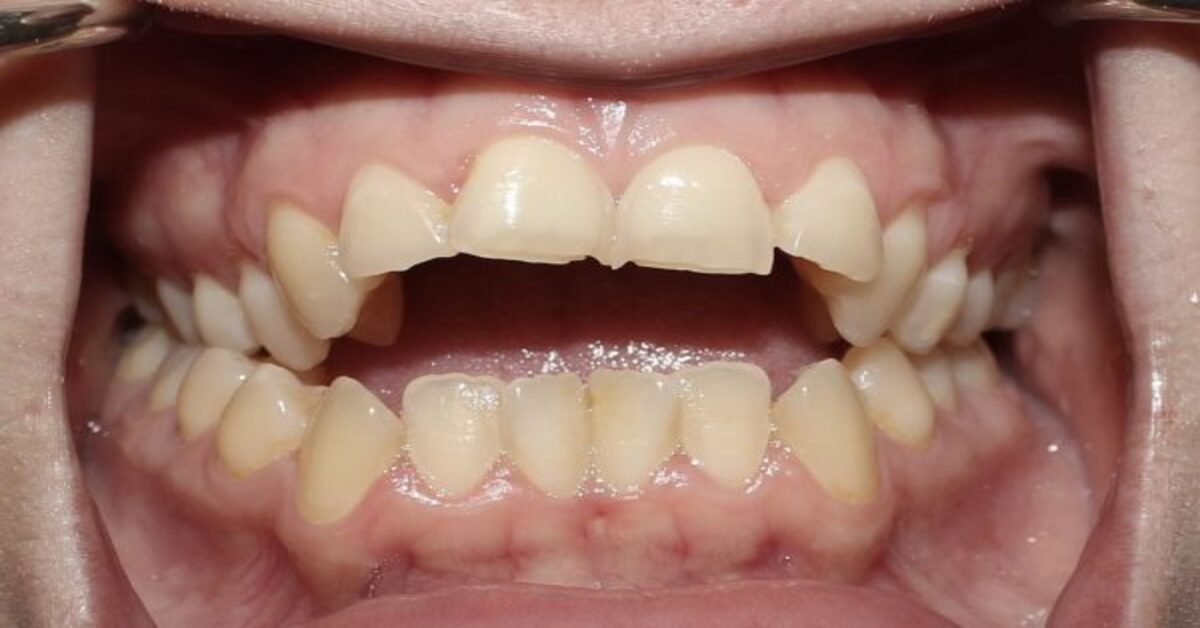
An open bite is a malocclusion where a gap remains between the upper and lower teeth even when the jaws are fully closed—there’s no biting contact at that gap.
Types of Open Bite
Anterior Open Bite
The front teeth don’t overlap vertically even when the back teeth touch, leaving a visible gap when smiling. Commonly caused by thumb-sucking, tongue-thrusting, or prolonged pacifier use.
Posterior Open Bite
The back teeth (molars/premolars) fail to make contact even though the front teeth close fully, forcing front teeth to do extra work and often causing uneven wear.
Skeletal vs. Dental Open Bite
- Skeletal open bite—rooted in jaw bone discrepancies, such as vertical overgrowth of the jaws
- Dental open bite—caused by mispositioned teeth (often from habits like tongue-thrusting) with normal jawbones
What Causes an Open Bite?
- Thumb-sucking or tongue-thrusting in early childhood
- Chronic mouth breathing linked to airway issues
- Poor eruption or missing molars
- Vertical overdevelopment of one or both jaws
- Genetic jaw-growth patterns
- Trauma or jaw deformities
Early Warning Signs
- Visible gap when biting, front or back
- Difficulty biting into food
- Speech problems, such as a lisp or whistling
- Frequent mouth breathing
- Gummy smile
Effects of an Untreated Open Bite
- Premature wear, chipping, and fractures from uneven pressure
- Increased cavity and gum disease risk
- Chewing and speech difficulties
- TMJ pain and headaches from jaw muscle strain
- Self-consciousness and reduced confidence
Open Bite Treatment Options
Early Preventive & Habit Management
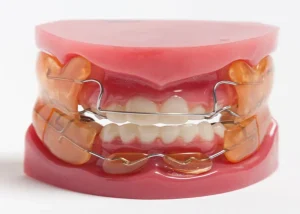
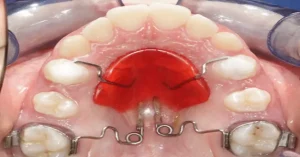
- Palatal cribs, tongue cribs, or habit appliances to stop thumb-sucking and tongue-thrusting
Growth Modification / Functional Appliances
- Bite blocks, FR-4, posterior occlusal build-ups
- High-pull headgear to control vertical jaw growth in growing children
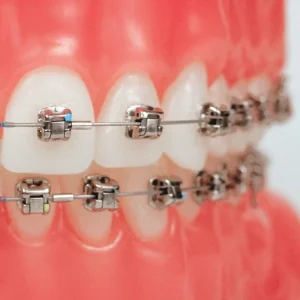
Braces & Clear Aligners
- Mild, dental-origin open bite treated with braces plus elastics or TADs
- Clear aligners via selective intrusion/extrusion; treatment often 12–24 months
Orthodontic + Surgical Approach
- Le Fort I (upper jaw repositioning) or BSSO + genioplasty (lower jaw plus chin reshaping) for severe skeletal cases
Final Thoughts
Whether mild or severe, open bite is treatable at any age. Book a consultation with Dr. AQR at AQR Orthodontics, Jumeirah, Dubai.
About the Author
Dr. AQR is a specialist orthodontist and founder of AQR Orthodontics, Jumeirah, Dubai.
FAQ’s
Can an open bite close on its own?
Rarely most open bites, especially habit-driven ones, need active treatment or habit intervention to resolve.
Is thumb-sucking really a major cause of open bite?
Yes, prolonged thumb-sucking or pacifier use is one of the most common causes of anterior open bite in children.
Does open bite treatment always require surgery?
No, most cases, especially caught early, respond to habit appliances, growth guidance, braces, or aligners. Surgery is reserved for severe skeletal cases.