
A specialist's guide from AQR Orthodontics, Jumeirah, Dubai
Quick Answer
A crossbite is when one or more upper teeth sit inside or behind the lower teeth when biting down—the reverse of a normal bite relationship. It can affect the front teeth (anterior) or back teeth (posterior), one side (unilateral) or both (bilateral), and is treatable at any age, often without surgery using modern techniques like palatal expansion.
What Is a Crossbite?
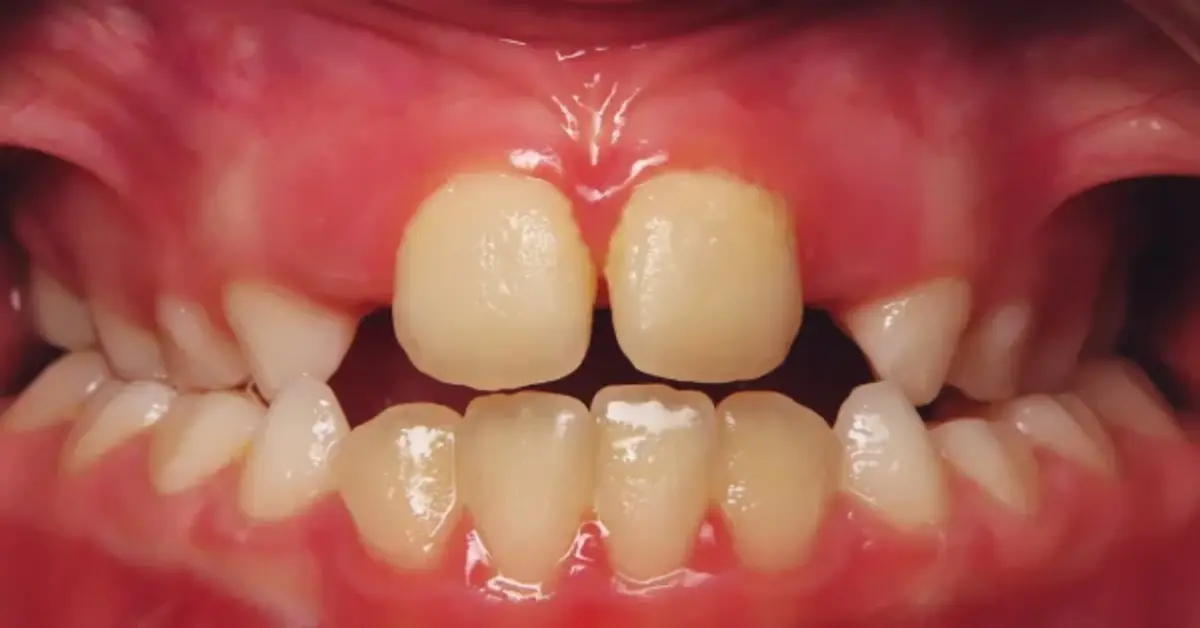
Normally, the upper teeth slightly overlap the lower teeth. A crossbite happens when this relationship is inverted—one or more upper teeth sit inside or behind the lower teeth.
Types of Crossbite
Anterior Crossbite
One or more upper front teeth bite behind the lower front teeth—sometimes called a mild underbite. Can interfere with biting and affect speech.
Posterior Crossbite
Upper back teeth sit inside the lower back teeth, hampering chewing on the affected side and causing uneven wear.
Unilateral vs. Bilateral
- Unilateral—affects one side, often leading to one-sided chewing and, over time, facial asymmetry
- Bilateral—affects both sides, often due to a narrower upper jaw
What Causes a Crossbite?
Dental Origins
- Delayed loss of baby teeth
- Thumb-sucking, pacifiers, or tongue-thrust habits
- Early tooth loss or crowding
Skeletal Origins
- Narrow or underdeveloped upper jaw relative to the lower jaw
- Genetic jaw growth and facial-structure patterns
- Mouth breathing or airway obstruction altering jaw development
Early Signs of a Developing Crossbite (Ages 6–12)
- Upper teeth biting inside lower teeth, front or back
- Shifting the jaw to one side to chew
- Difficulty chewing, especially on one side
- Speech distortions or jaw clicking
- Facial asymmetry or uneven jawline in unilateral cases
Effects of an Untreated Crossbite
- Uneven tooth wear, chipping, and fracturing
- Higher cavity and gum disease risk from hygiene difficulty
- One-sided chewing and reduced chewing efficiency
- TMJ disorders, jaw pain, and headaches
- Speech impediments affecting sounds like “s,” “ch,” and “t”
- Facial asymmetry and reduced confidence, particularly in unilateral cases
Research suggests that in unilateral posterior crossbite, the jaw joint on the non-crossbite side can grow differently over time than the crossbite side, potentially contributing to facial asymmetry if left untreated.
Crossbite Treatment Options
Early Preventive & Habit Interception
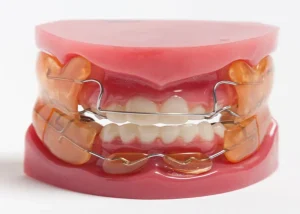
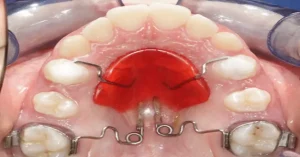
- Palatal expanders to widen the upper jaw for posterior crossbites
- Tongue cribs or habit appliances for anterior crossbites
Interceptive/Functional Appliances
- Quad-helix, rapid maxillary expanders (RME), or MARPE depending on age and type
- MARPE can offer orthopedic expansion even in late adolescents and adults—potentially avoiding surgery
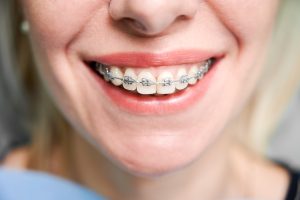
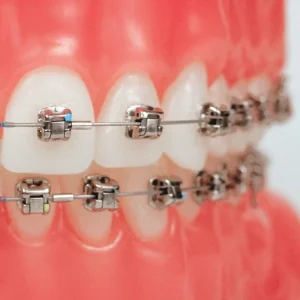
Braces / Aligners
- Braces with elastics, clear aligners, or TAD-supported mechanics, often after palatal expansion
Orthodontic + Surgical Treatment
- Orthognathic surgery for severe skeletal crossbites in adults, followed by braces
Final Thoughts
A crossbite should never be dismissed as purely cosmetic—modern orthodontics offers effective treatment at any age. Book a consultation with Dr. AQR at AQR Orthodontics, Jumeirah, Dubai.
About the Author
Dr. AQR is a specialist orthodontist and founder of AQR Orthodontics, Jumeirah, Dubai. [Credentials pending]
FAQ’s
Is a crossbite just cosmetic, or does it need treatment?
A crossbite isn’t just cosmetic — left untreated, it can affect chewing, speech, jaw joint health, and long-term facial symmetry.
Can adults get a crossbite corrected without surgery?
Often yes — techniques like MARPE now allow non-surgical palatal expansion in many older teens and adults who previously would have needed surgery.
How early should a crossbite be evaluated in children?
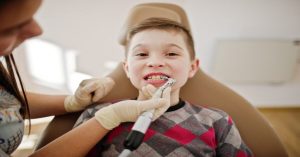
Ideally between ages 6 and 12, when the upper jaw can still be guided with palatal expanders.