
A specialist's guide from Dr. AQR, Jumeirah, Dubai
Quick Answer
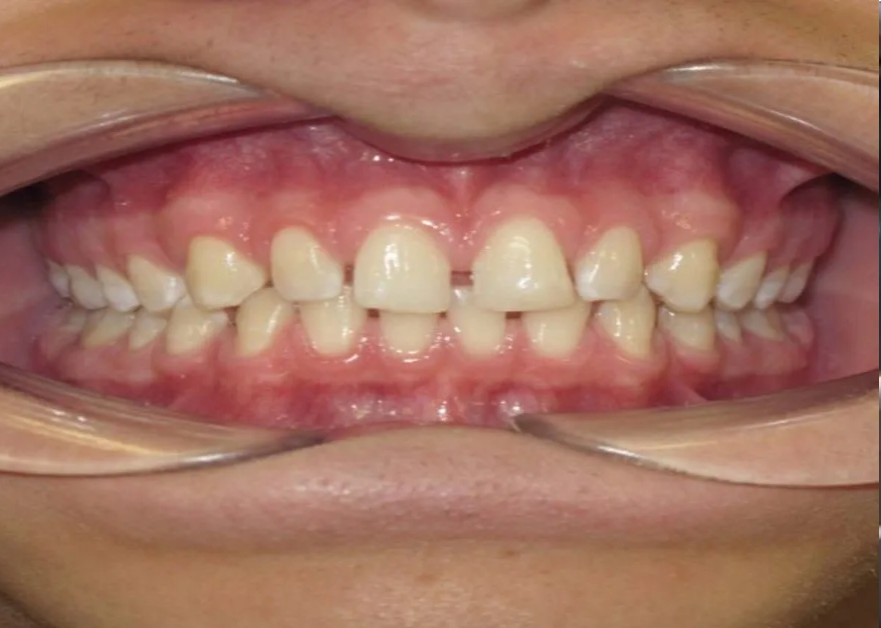
A diastema is a gap of 0.5mm or more between teeth, most often seen between the upper front teeth. Small gaps in baby teeth are usually healthy and predictive of less future crowding, but persistent gaps in adult teeth — especially after age 12 — are worth an orthodontic evaluation.
What Is Dental Spacing?
- Diastema—the clinical term for a gap of ≥0.5 mm between teeth, most common between the upper front teeth
- Midline diastema—specifically the gap between the central incisors
- Generalized spacing—multiple gaps throughout the arch, often from small teeth or a large jaw
- Localized spacing—caused by missing, impacted, or extra (supernumerary) teeth
Why Gaps in Baby Teeth Might Be a Good Thing
Spacing in primary teeth is common and healthy—it helps accommodate larger permanent teeth.
- Leeway space—extra room created when larger primary molars are replaced by smaller permanent premolars (about 1.5 mm per side upper, 2–2.5 mm per side lower)
- Predictive value—more than 6 mm of baby-teeth spacing often means minimal future crowding; less than 3 mm often means crowding is more likely
- When to watch—gaps persisting after age 12 (once most adult teeth have erupted) warrant an orthodontic evaluation
What Causes Dental Spacing?
- Genetic jaw-tooth size mismatch—jaws larger than teeth
- Thumb-sucking or tongue-thrusting habits
- Oversized labial frenum wedging between front teeth
- Missing or impacted teeth allowing neighbors to drift
- Extra teeth (mesiodens) blocking normal eruption
- Periodontal disease weakening tooth-supporting bone
How Dental Spacing Affects Health and Confidence
- Plaque build-up in open spaces, raising cavity and gum disease risk
- Tooth migration into gaps over time, causing bite problems
- Chewing inefficiency from food trapping
- Speech issues, particularly lisps or whistling on “s,” “z,” “t,” “d,” and “ch” sounds
- Reduced smile confidence
Treatment Options for Dental Spacing
Preventive & Habit Interception
- Frenectomy to remove an oversized frenum
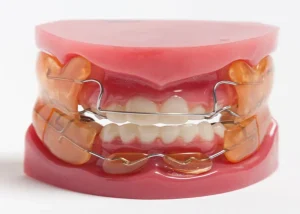
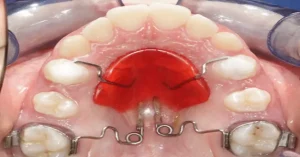
- Habit appliances to curb tongue-thrusting or thumb-sucking
Functional / Interceptive
- Space maintainers or partial braces to guide erupting teeth
Braces & Clear Aligners
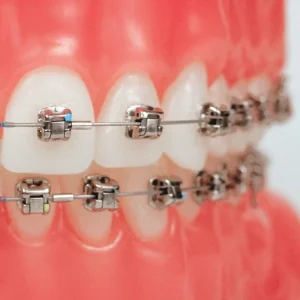
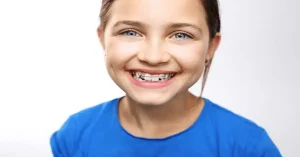
- Traditional braces to close spaces with controlled pressure
- Clear aligners for a more discreet option
Cosmetic Dentistry (for minor gaps)
- Bonding or composite resin for a quick chairside fix
- Veneers or crowns for larger spacing or shape adjustments
Periodontal & Prosthetic Care
- Treating gum disease before moving teeth
- Implants or bridges for spaces from missing teeth
Why Choose AQR Orthodontics in Jumeirah, Dubai?
Dr. AQR offers digital 3D scanning for precise gap analysis, personalized treatment planning, and multilingual support (English, Arabic, Hindi) for patients across Dubai.
Final Thoughts
Gapped teeth are highly treatable, from simple cosmetic bonding to full orthodontic correction. Book a consultation with Dr. AQR at AQR Orthodontics, Jumeirah, Dubai.
About the Author
Dr. AQR is a specialist orthodontist and founder of AQR Orthodontics, Jumeirah, Dubai.
FAQs
Will my child’s gap close on its own?
Many gaps in baby teeth close naturally as permanent teeth erupt; gaps persisting after age 12 are worth an evaluation.
What’s the fastest way to close a small gap between front teeth?
For minor gaps, cosmetic bonding can be a quick fix; for larger or bite-related spacing, braces or aligners give a more stable, long-term result.
Are gaps in teeth hereditary?
Jaw and tooth size, which strongly influence spacing, often run in families.