
A specialist's guide from Dr. AQR, Jumeirah, Dubai
Quick Answer
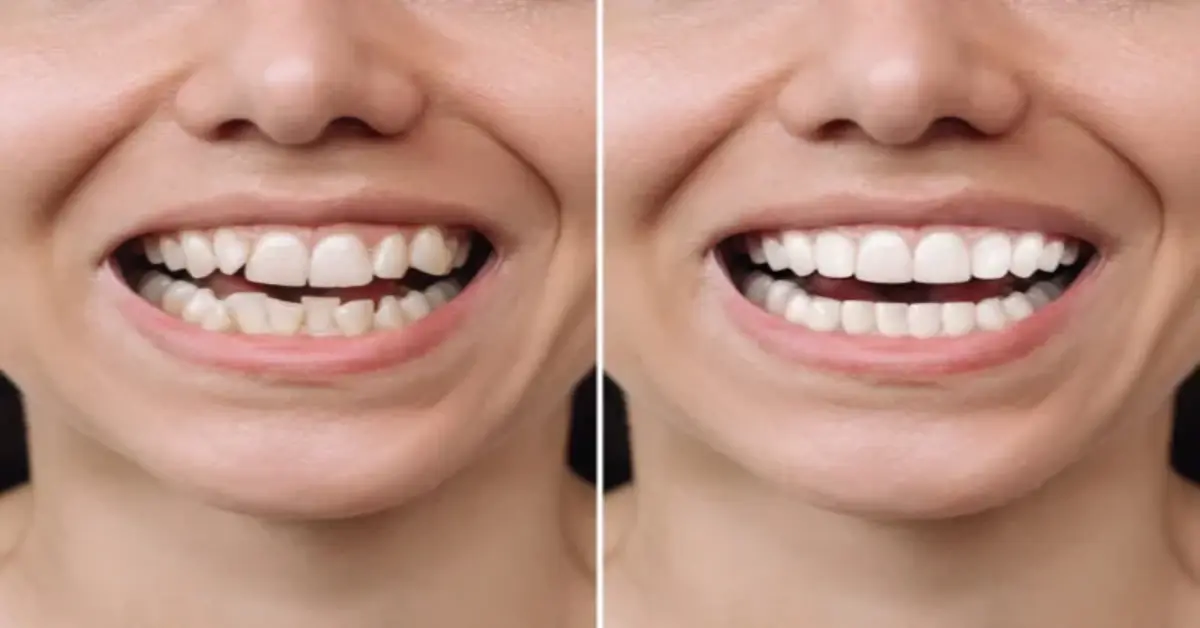
Dental crowding happens when there isn’t enough space in the jaw for all your teeth, causing them to overlap or twist. It’s most often genetic but can also result from early or late baby tooth loss, jaw-tooth size mismatch, or childhood habits like thumb-sucking. Left untreated, it raises the risk of decay, gum disease, and bite problems—but it’s treatable at any age.
What Causes Dental Crowding?
- Genetics—the most common cause; crowded or large teeth often run in families
- Premature loss of baby teeth—neighboring teeth shift into empty spaces, misguiding permanent teeth
- Late or abnormal tooth loss—baby teeth staying too long can force new teeth into crowded positions
- Abnormal jaw growth—a mismatch between jaw size and tooth size
- Childhood habits—prolonged thumb-sucking, pacifier use, or tongue-thrusting can alter jaw shape and available space
The Hidden Risks of Untreated Crowding
- Harder to clean—crowded teeth trap plaque and food debris
- Increased gum disease risk—misalignment often causes receding gums and inflammation
- Speech difficulties—crowding can alter tongue placement and affect clarity
- Abnormal tooth wear—constant rubbing and pressure can chip teeth or wear enamel
- Chronic bad breath—trapped food in tight spaces can cause persistent halitosis
- TMJ problems—severe crowding can cause bite issues contributing to jaw discomfort
Treatment Benefits by Age
Kids (Ages 7–12): Setting the Foundation Early
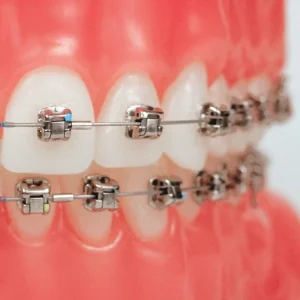
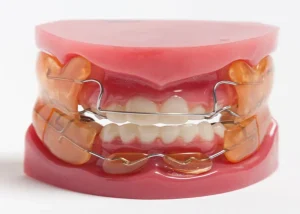
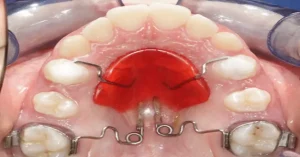
- Early-phase treatment can help widen the jaw and create room for erupting permanent teeth
- May reduce the need for future extractions by creating space naturally
- Encourages healthy oral hygiene habits from an early age
Teens (Ages 13–19): A Key Window for Transformation
- Braces or aligners work well alongside natural growth spurts
- Aligning teeth supports overall facial balance
- Discreet options like clear aligners can improve comfort and compliance
Adults (20+): Never Too Late
- Straightening teeth reduces the risk of gum disease, decay, and jaw pain
- Minimally invasive options like clear aligners suit adult lifestyles
- Fixing crowding now can mean fewer dental complications and costs later
Noticed crowding in your or your child’s smile? Book an assessment.
How AQR Orthodontics Approaches Crowding
Dr. AQR uses 3D dental scanning and digital treatment planning to assess crowding precisely and create a tailored plan—replacing guesswork and messy impressions with a fully digital workflow designed for comfort and accuracy.
Final Thoughts
Dental crowding is one of the most common orthodontic issues—and one of the most treatable, at any age. Book a consultation with Dr. AQR at AQR Orthodontics, Jumeirah, Dubai.
About the Author
Dr. AQR is a specialist orthodontist and founder of AQR Orthodontics, Jumeirah, Dubai.
FAQs
Will dental crowding get worse if I don’t treat it?
Yes—untreated crowding tends to worsen over time rather than resolve on its own.
Can crowding be fixed without removing teeth?
In many cases, yes—techniques like arch expansion or interproximal reduction can create space without extractions, depending on severity.
Is crowding always genetic?
Genetics is the most common cause, but habits like thumb-sucking and early or late tooth loss can also contribute.