
A specialist's guide to malocclusion— From Dr. AQR, Jumeirah, Dubai
Quick Answer
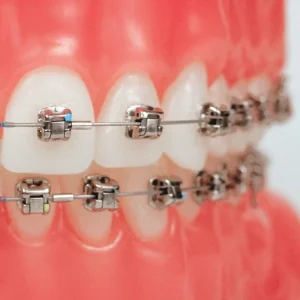
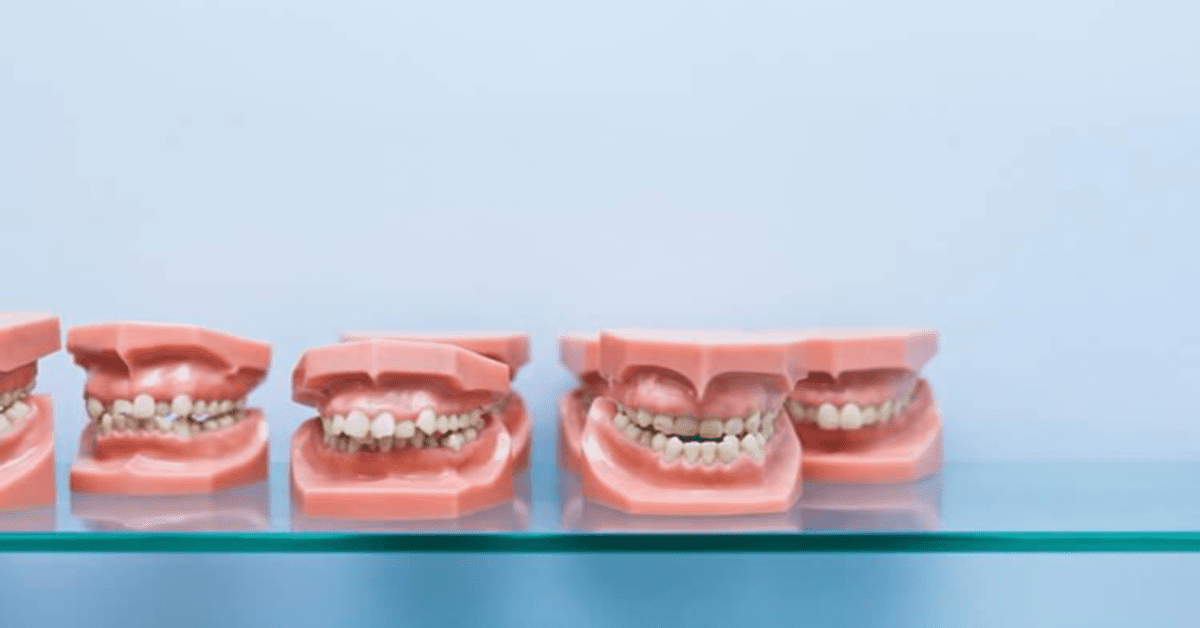
Orthodontic problems (malocclusions) fall into two categories: skeletal (jaw positioning, overbite, underbite, crossbite, open bite) and dental (tooth alignment, crowding, spacing, deep bite). Both can affect children, teens, and adults differently, and both are treatable at any age with the right specialist assessment.
What Is Malocclusion?
Malocclusion is the clinical term for teeth and jaws that don’t align correctly. It’s broadly split into two categories, covered below, each with its own causes and treatment approach.
Skeletal Orthodontic Problems (Jaw Positioning)
These involve how the jawbones themselves are positioned or growing:
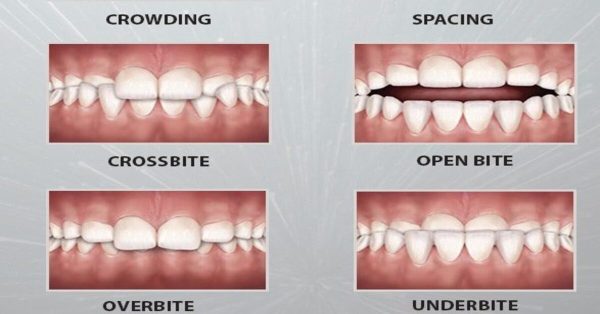
- Overbite (Class II)—the upper jaw sits significantly forward of the lower jaw.
- Underbite (Class III)—the lower jaw protrudes forward, giving a prominent chin appearance.
- Open bite—upper and lower teeth don’t meet when the mouth is closed, often from thumb-sucking or tongue-thrusting habits.
- Crossbite—upper teeth sit inside the lower teeth on biting, affecting front or back teeth.
Dental Orthodontic Problems (Tooth Alignment)
These involve how individual teeth are positioned, independent of jaw alignment:
- Crowding—not enough space in the jaw for all teeth, causing overlap.
- Spacing—gaps between teeth from missing or proportionally small teeth.
- Deep bite—upper front teeth cover too much of the lower front teeth.
- Dental open bite—teeth don’t meet vertically even when jaws are aligned.
How Orthodontic Problems Differ by Age
Children (6–12 years)
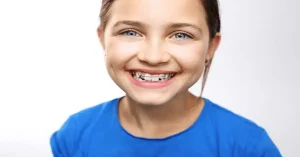
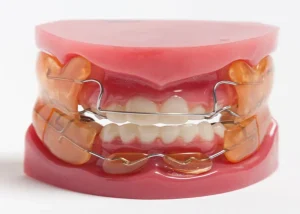
Issues are often habit-related—thumb-sucking or prolonged pacifier use can drive open bite and crossbite patterns. Dr. AQR, following American Association of Orthodontists guidance, recommends a first evaluation around age 7.
Teens (13–18 years)
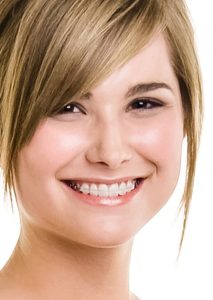
As permanent teeth erupt, crowding, spacing, overbite, and underbite commonly emerge or worsen. This is a strong window for treatment since the jaw is still growing.
Adults (18+)
Common adult issues include orthodontic relapse (shifting after stopping retainer wear), aesthetic concerns, adjunctive tooth movement for restorative work, and TMJ-related pain from long-untreated misalignment.
Not sure which category applies to you? Book an assessment with Dr. AQR.
Why Choose AQR Orthodontics in Jumeirah, Dubai?
AQR Orthodontics, on Al Wasl Road in Jumeirah 2, offers tailored treatment for all malocclusion types across every age group, from child-friendly early evaluations to adult clear aligner and lingual brace options.
Final Thoughts
Recognizing which type of orthodontic problem you or your child may have is the first step toward the right treatment. Book a consultation with Dr. AQR at AQR Orthodontics for a full diagnostic assessment.
About the Author
Dr. AQR is a specialist orthodontist and founder of AQR Orthodontics, Jumeirah, Dubai.
FAQ
What’s the difference between an overbite and an underbite?
An overbite is when the upper jaw sits forward of the lower jaw; an underbite is the reverse, with the lower jaw protruding.
Can crowded teeth fix themselves without treatment?
No, crowding doesn’t self-correct and can worsen over time as remaining teeth shift to compensate.
Is it normal for orthodontic problems to run in families?
Jaw size, tooth size, and bite patterns often have a genetic component, alongside habit-driven causes like thumb-sucking.
Do I need to fix a malocclusion if it doesn’t bother me?
Even mild, unbothersome malocclusion can increase long-term risk of uneven wear, decay, and jaw strain—worth a specialist opinion even without discomfort.