
A specialist's guide from Dr. AQR, Jumeirah, Dubai
Quick Answer
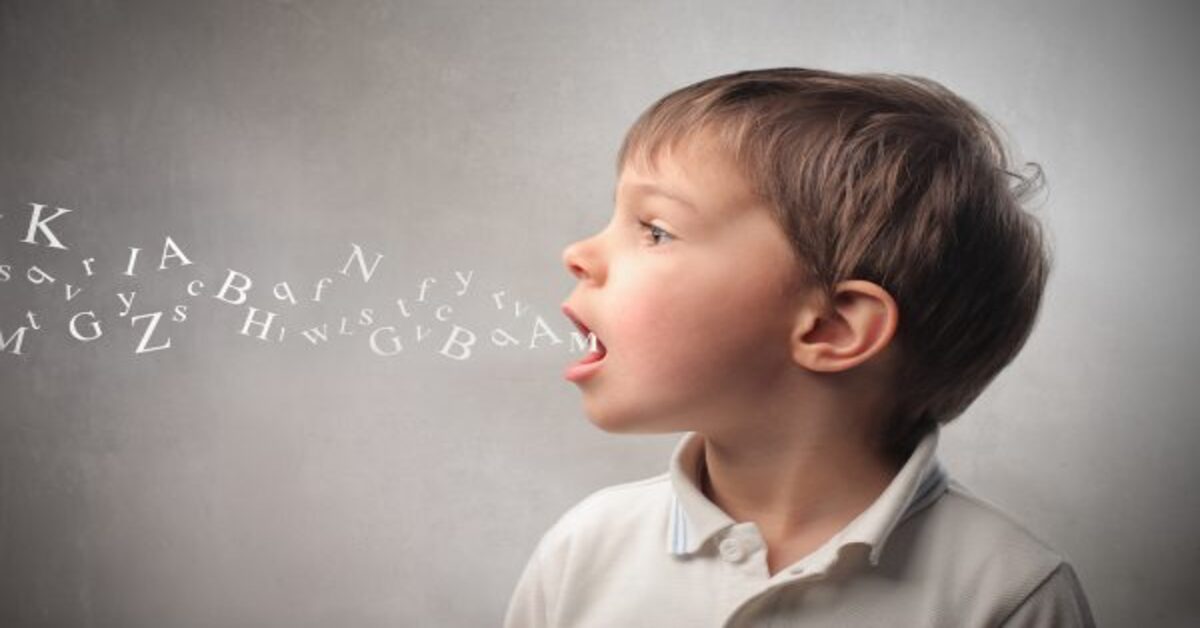
Yes—malocclusion (misaligned teeth or jaws) can affect speech by disrupting the tongue, lip, and airflow coordination needed for clear sounds. Spacing, overbite, underbite, open bite, crossbite, and crowding each affect specific sounds differently, and correcting the underlying alignment can meaningfully improve clarity.
How Misaligned Teeth Affect Speech, by Type
- Spacing—gaps between front teeth let air escape during speech, causing a lisp or whistling, especially on “s” and “th” sounds.
- Overbite (deep bite)—excessive overlap can cause a frontal lisp, especially on “s” and “z” sounds.
- Underbite—disrupts the lip contact needed for crisp “f,” “v,” and “p” sounds.
- Open bite—air escapes through the open gap, causing lisping or difficulty with “s,” “sh,” and “ch” sounds.
- Crossbite—can affect “t” and “d” sounds due to limited jaw coordination and tongue placement.
- Crowded teeth—restricts tongue movement, often causing slurred or mumbled speech.
The Psychosocial Impact of Untreated Speech Issues
- Reduced confidence and shyness in social or school settings
- Social anxiety around being misunderstood
- Increased risk of teasing or exclusion for children with a lisp or speech difference
- Academic impact from anxiety around oral presentations or reading aloud
- For adults, reduced confidence in interviews, client meetings, or public speaking
How Orthodontic Treatment Supports Clearer Speech
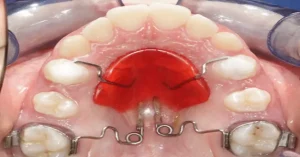
- Corrects bite alignment, allowing lips, teeth, and tongue to work together more effectively
- Improves tongue placement, reducing slurring or lisping caused by poor tooth contact
- Works alongside speech therapy, often enhancing its results rather than replacing it
- Increases oral space where crowding was restricting tongue movement
- Supports greater confidence in conversations, interviews, and public speaking
Noticing a speech pattern that may be linked to your bite? Book an evaluation.
Why Early Evaluation Helps
Speech-related concerns are often easier to address early. Children as young as 7 can benefit from an orthodontic evaluation, especially where speech delays or lisps are present, and combining orthodontic care with speech therapy can offer long-term benefit both physically and emotionally.
Final Thoughts
If speech clarity concerns you or your child, the root cause may be a correctable dental misalignment. Book a consultation with Dr. AQR at AQR Orthodontics, Jumeirah, Dubai.
About the Author
Dr. AQR is a specialist orthodontist and founder of AQR Orthodontics, Jumeirah, Dubai.
FAQs
Will fixing my bite alone fix my speech, or do I still need speech therapy?
It depends on the case—orthodontic correction removes a mechanical barrier to clear speech, but for some patients, speech therapy alongside treatment gives the best results.
At what age should a lisp linked to bite issues be evaluated?
Children as young as 7 can benefit from an evaluation, especially if a lisp or speech delay is present alongside visible bite issues.
Can adults still see speech improvements from orthodontic treatment?
Yes—speech-related benefits from improved alignment aren’t limited to children; many adults notice clearer articulation as treatment progresses.