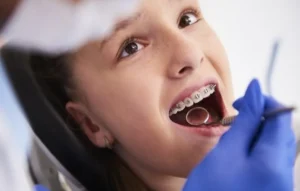

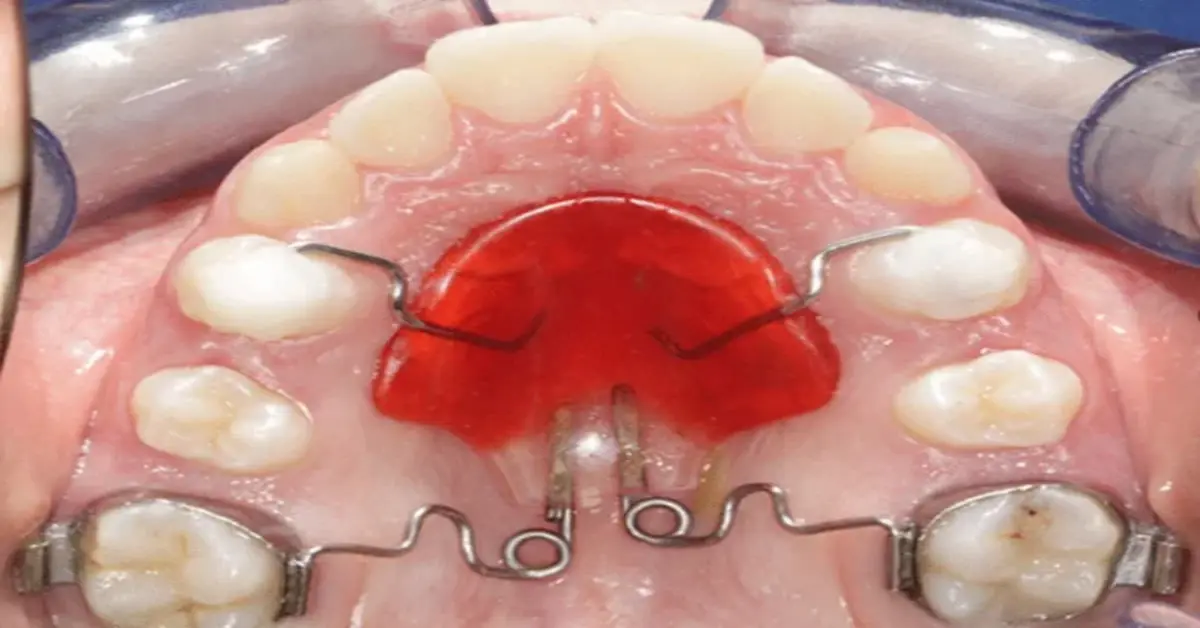
from AQR Orthodontics, Jumeirah, Dubai
Quick Answer
Functional appliances are removable or fixed devices that use a child’s own chewing and swallowing muscles to guide jaw growth into better alignment, rather than moving teeth directly like braces do. They work best during the growth window of roughly ages 7–12, and are typically followed by a shorter Phase 2 of braces if needed.
What Are Functional Appliances?
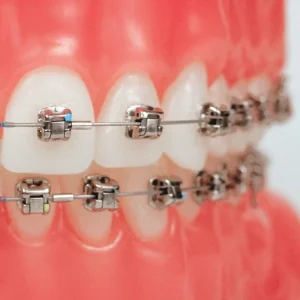
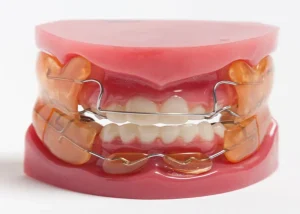
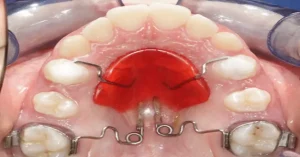
Functional appliances guide jaw growth using everyday muscular forces—like chewing and swallowing—rather than realigning teeth directly the way braces do. Instead, they reposition the lower jaw into a more forward or balanced position, encouraging the bones and muscles to adapt naturally over time.
Think of it like a garden trellis that gently shapes a vine’s natural direction without forcing it—the vine (jaw) still grows on its own, just guided toward a healthier path. These appliances work within the “growth window,” roughly ages 7–12, when a child’s jaw is still developing and highly responsive.
How Do Functional Appliances Actually Guide Growth?
When a child bites down with the appliance in place, soft tissues and muscles shift the lower jaw forward while gently resisting the backward tilt of the upper jaw. Over time, this prompts skeletal adaptation: the mandible grows forward, and the muscles supporting the jaw stay engaged in the improved position.
Cephalometric studies (jaw measurements from X-rays) confirm two types of change: skeletal changes (like forward mandibular growth) and dental changes (like teeth tipping to assist alignment). A meaningful portion of overjet correction comes from these skeletal shifts, with the remainder from dental movement—in effect, muscles, bones, and teeth cooperate, steered gently by the appliance.
Why This Growth-Focused Approach Makes Sense
- Natural growth alignment—redirects your child’s own growth patterns toward better alignment, potentially reducing the need for extractions, surgery, or complex correction later
- Comfortable and low-profile—most functional appliances are custom-fit, removable, or minimally intrusive, making them easier to wear during school and play
- Complements Phase 2—functional appliances typically lay the foundation, with braces (if needed) following as a shorter, more efficient second phase
Can Functional Treatment Help Avoid Jaw Surgery?
Functional appliances are non-surgical devices that guide jaw growth and correct skeletal discrepancies early, potentially preventing the need for future jaw surgery. By promoting forward mandibular growth and moderating excessive upper jaw advancement, they help normalize jaw relationships—often reducing surgical complexity even in cases where some correction is still needed later.
Final Thoughts
Functional appliances offer a gentle, growth-guided path to a better-aligned smile. Book a growth-guided consultation with Dr. AQR at AQR Orthodontics, Jumeirah, Dubai.
About the Author
Dr. AQR is a specialist orthodontist and founder of AQR Orthodontics, Jumeirah, Dubai.
FAQ’s
Will this appliance “force” my child’s bones to grow too fast?
No. Functional appliances encourage guided, gentle growth rather than forcing abrupt changes—growth happens naturally, just in a healthier direction.
Do these devices replace traditional braces?
Typically 6 to 12 months, depending on complexity and biological response, with regular check-ins to monitor progress.
Are all functional appliances the same?
No—different designs (like Twin Block, Herbst, or Frankel) suit different needs and growth patterns.